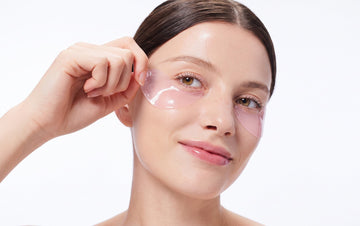
You know the kind of skin. Smooth, even, with a glow as if light is shining through it. In Korea they call it glass skin: skin so clear it looks like glass. And no, it isn't a filter or genetic luck. It's a routine, one you can do yourself. The secret of the Korean approach isn't a miracle product, but layers: not more product, but smarter layering. In this article, you'll go through the five steps, plus the details that make the difference.
Step 1: Double cleanse
A glow starts with a clean base. In the evening, you cleanse twice: first with an oil or balm to loosen make-up and sunscreen, then with a mild cleanser for the skin itself. Don't skip this, because everything else works better on truly clean skin. Prone to clogged pores or blackheads? Then also read what really helps against blackheads, because an even glass-skin look starts with clean pores.
Step 2: Hydrate in layers
This is where most people go wrong: they don't hydrate enough. The Korean approach builds up moisture in thin layers, so your skin really absorbs it instead of it staying on the surface. Apply your hydration to slightly damp skin and work in thin layers, so each layer has time to absorb.
Step 3: A concentrated boost
This is the step that really switches on the glow: a concentrated serum or ampoule with peptides. Peptides help your skin look plumper and smoother, exactly the effect that defines glass skin. Our SilkPeptide ampoule is made for exactly this: a concentrated dose that makes your skin feel instantly softer and plumper. Want to know what peptides actually do? Read what peptides do for your skin.
Step 4: Seal it in
Finish your skincare so the moisture and active ingredients can do their work overnight instead of evaporating. A good night-time step keeps everything in. Want it to really keep working while you sleep? An overnight collagen mask such as GlowLift forms a layer that nourishes your skin all night, so you wake up with visibly fresher skin. You can read why that moment is so powerful in why your skin works hardest at night.
Step 5: Consistency (the step nobody enjoys)
Glass skin isn't a one-off. It's the result of the same simple routine, night after night. The good news: once it's a habit, it takes you less than five minutes, and you'll see the difference in the mirror.
The most common mistake
The biggest pitfall is impatience: people pile on too many products at once in the hope of faster results, or switch to something else after a week. Glass skin rewards exactly the opposite. Choose a few good steps, give them time and build up gradually. Less but consistent always beats a lot but erratic.
In short
Cleanse thoroughly, hydrate in layers, add a peptide boost, seal it in for the night and keep it up. No filter, no clinic, just a smart routine. Want the full background and all the detail in one place? Read our complete guide to the Korean glass skin routine.
Frequently asked questions
Does glass skin also work for oily skin?
Yes. Glass skin is about healthy, hydrated skin, not about a skin type. Oily skin also benefits from good hydration in layers.
How many steps do I really need?
You don't need to use ten products. Cleansing, hydrating, a peptide boost and a night-time step together already form a strong foundation.
How quickly will I see a glow?
You'll often notice fresher, smoother skin within a few weeks. The real glow builds up, so give it four to six weeks of consistent use.
Can I do this in the morning too?
A lighter version, yes. The full routine with sealing belongs mainly in your evening, because that's when your skin recovers the most.
Want the two steps that make the most difference? Start with the SilkPeptide ampoule for your glow by day and GlowLift for recovery at night.